Montenegro · Tradition · Origin

Pljevlja Cheese and other Montenegrin Specialties

Pljevlja cheese is the flagship of Montenegrin gastronomy — a brined white cheese with protected geographical origin. Alongside it: Njeguši prosciutto, Kolašin layered cheese, Montenegrin mountain honey, Vranac, Krstač, Crmnica grape brandy and Bar olive oil. Every product has its own region, its own story and its own verified producers.

Pljevlja Cheese — Pljevlja
Montenegro's protected mark
Pljevlja · Zaštićeno geografsko porijeklo

Pljevlja Cheese

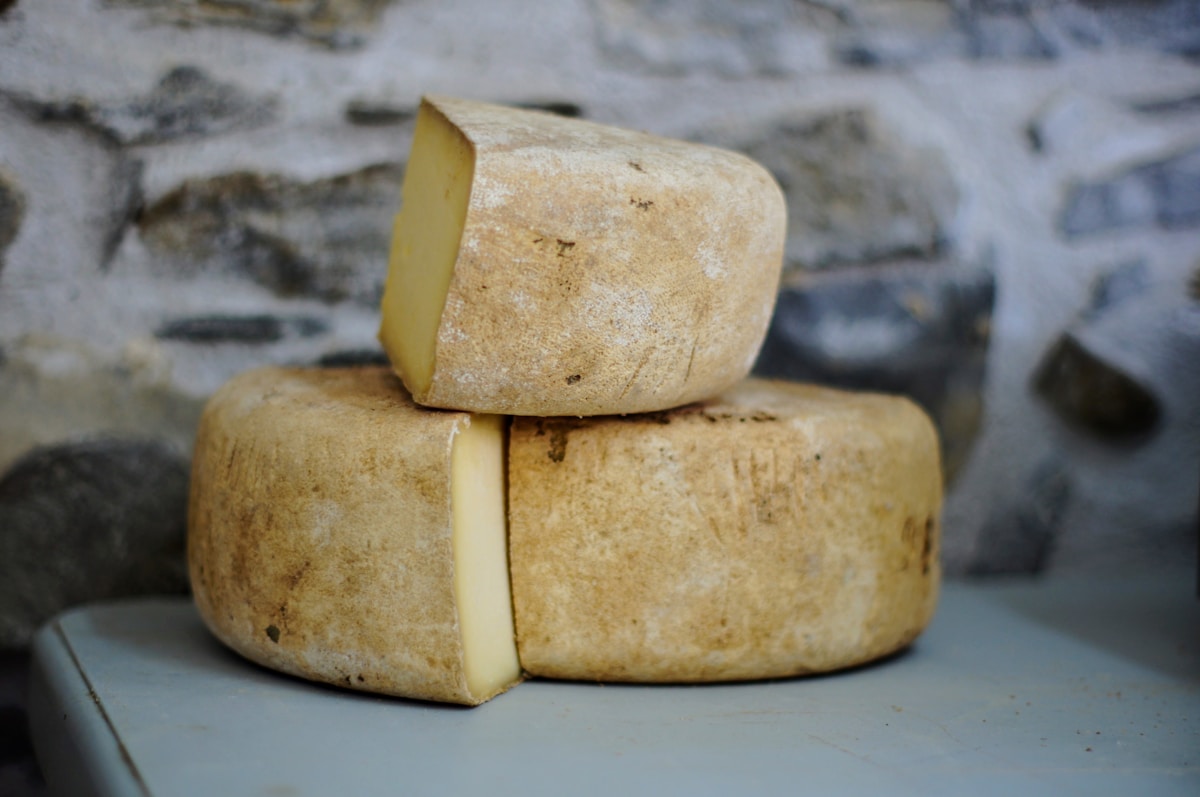
Pljevlja cheese is without question the most famous Montenegrin cheese and one of the most recognizable symbols of the country's north. It has been made for centuries around Pljevlja from full-fat cow's milk sourced from the pastures of Ljubišnja, Durmitor and Sinjajevina. It matures for at least 60 days in wooden vats, which gives it a distinctive salty taste, a soft yet compact texture, and a recognizable pale-white color that stays consistent throughout aging. Pljevlja cheese carries a protected geographical indication and is considered the benchmark white cheese of the Balkans — served with fresh homemade bread, spring onion, olives and a glass of pelinkovac or krstač wine. If there is one single cheese from Montenegro's kitchen you must try, this is it.

Other specialties

The taste of Montenegro in every bite

Njeguši Prosciutto — Njeguši, Cetinje
02Njeguši, Cetinje

Njeguši Prosciutto

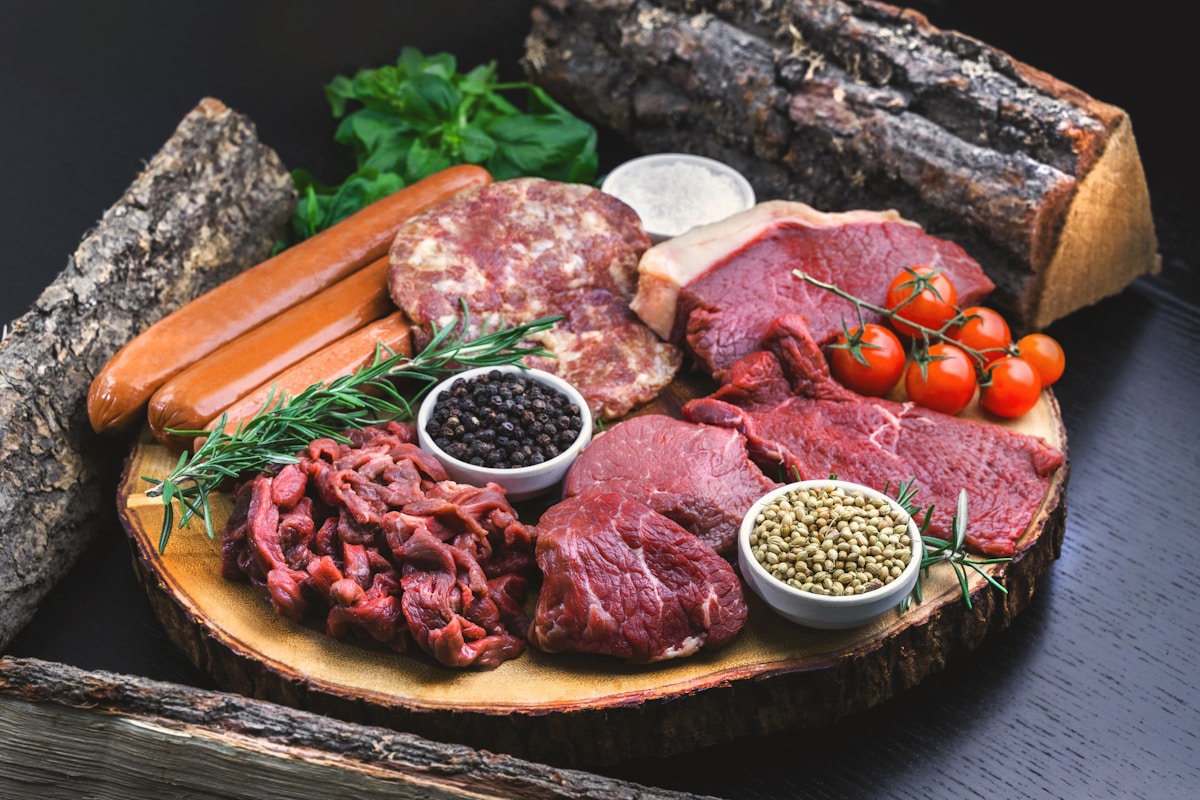
Njeguši prosciutto is dried for months in the cold bura wind that descends from Mount Lovćen, which gives it a distinctive smoky aroma and a soft yet firm texture. It's made exclusively from pork leg, salt and oak smoke — with no additives at all. It's sliced thin, almost translucent, and traditionally served with Njeguši cheese, bread and lozovača grape brandy. One of the most recognizable symbols of Montenegrin gastronomy.

View products — Njeguši Prosciutto

Kolašin Layered Cheese — Kolašin
03Kolašin

Kolašin Layered Cheese

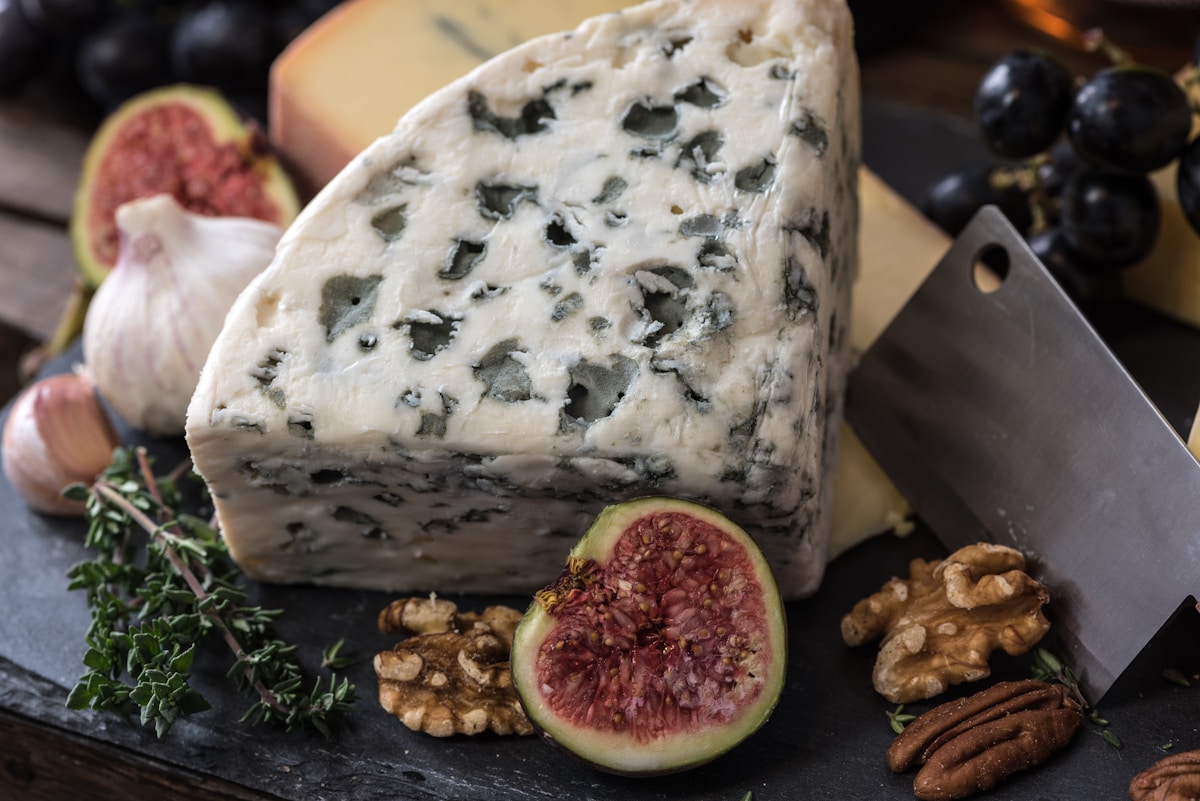
Kolašin layered cheese is recognizable by its unique flaky structure, created through a special technique of processing and gently reheating the cream. It's made on the slopes of Bjelasica and Sinjajevina from the milk of cows grazing on high mountain pastures, giving the cheese a full flavor and a faintly sweet aroma. It's traditionally served with boiled potatoes, kajmak and zeljanica pie. In Montenegro it's recognized as an indigenous cheese with a history spanning more than two hundred years.

View products — Kolašin Layered Cheese
Njeguši Cheese — Njeguši, Cetinje
04Njeguši, Cetinje

Njeguši Cheese

Njeguši cheese is a semi-hard cow's-milk cheese made in the same region as the famous Njeguši prosciutto. It matures for at least two months in natural cellars, where it develops its characteristic yellowish color, firm texture and intense, slightly piquant flavor. It's traditionally topped with olive oil and stored in clay vessels. It pairs best with Njeguši prosciutto and a glass of Vranac.

View products — Njeguši Cheese
Montenegrin Mountain Honey — Durmitor, Bjelasica, Komovi
05Durmitor, Bjelasica, Komovi

Montenegrin Mountain Honey

Montenegrin mountain honey is produced by bees gathering nectar from native medicinal plants at altitudes above 1,000 meters — Durmitor, Bjelasica, Sinjajevina and Komovi. It's marked by its density, crystal-clear color (from light to dark amber, depending on variety) and richness of aroma. The range includes meadow, forest, chestnut, acacia and linden honey — each with a different profile of minerals, pollen and antioxidants. Beekeeping in Montenegro has been nurtured for generations, without pesticides or chemicals.

View products — Montenegrin Mountain Honey
Vranac — Crmnica, Lake Skadar
06Crmnica, Lake Skadar

Vranac

Vranac is Montenegro's most famous indigenous red grape variety and a national symbol of its winemaking. It's grown mainly in Crmnica, around Lake Skadar and in Plavnica, where the warm Mediterranean climate and rocky soil provide ideal conditions. The wine has a deep ruby-purple color, with aromas of dark fruit, plum, vanilla and oak. It has a high tannin content, ages well in barrique barrels, and is traditionally served with Njeguši prosciutto, game and roast lamb.

View products — Vranac
Krstač — Crmnica, Podgorica
07Crmnica, Podgorica

Krstač

Krstač is an indigenous Montenegrin white wine variety, cultivated exclusively in Crmnica, Plavnica and around Podgorica. The wine is pale yellow with greenish highlights, recognizable by fresh aromas of citrus, apple and almond with subtle mineral notes. Low acidity and a clean finish make it ideal alongside fish from Lake Skadar, seafood and light cheeses. Krstač has been cultivated for centuries and is increasingly earning a place on the international wine scene.

View products — Krstač
Crmnica Grape Brandy — Crmnica
08Crmnica

Crmnica Grape Brandy

Crmnica lozovača is a strong homemade grape brandy, most often made from the Vranac variety, distilled in copper stills following an old recipe passed down through generations. It's marked by a crystal-clear color and a strong yet balanced taste, with notes of fresh grape and dried fruit. It's best served chilled, alongside Njeguši prosciutto, cheese and olives. In Crmnica, the region southeast of Lake Skadar, lozovača is more than a drink — it's part of the area's identity.

View products — Crmnica Grape Brandy
Bar Olive Oil — Bar, Montenegrin coast
09Bar, Montenegrin coast

Bar Olive Oil

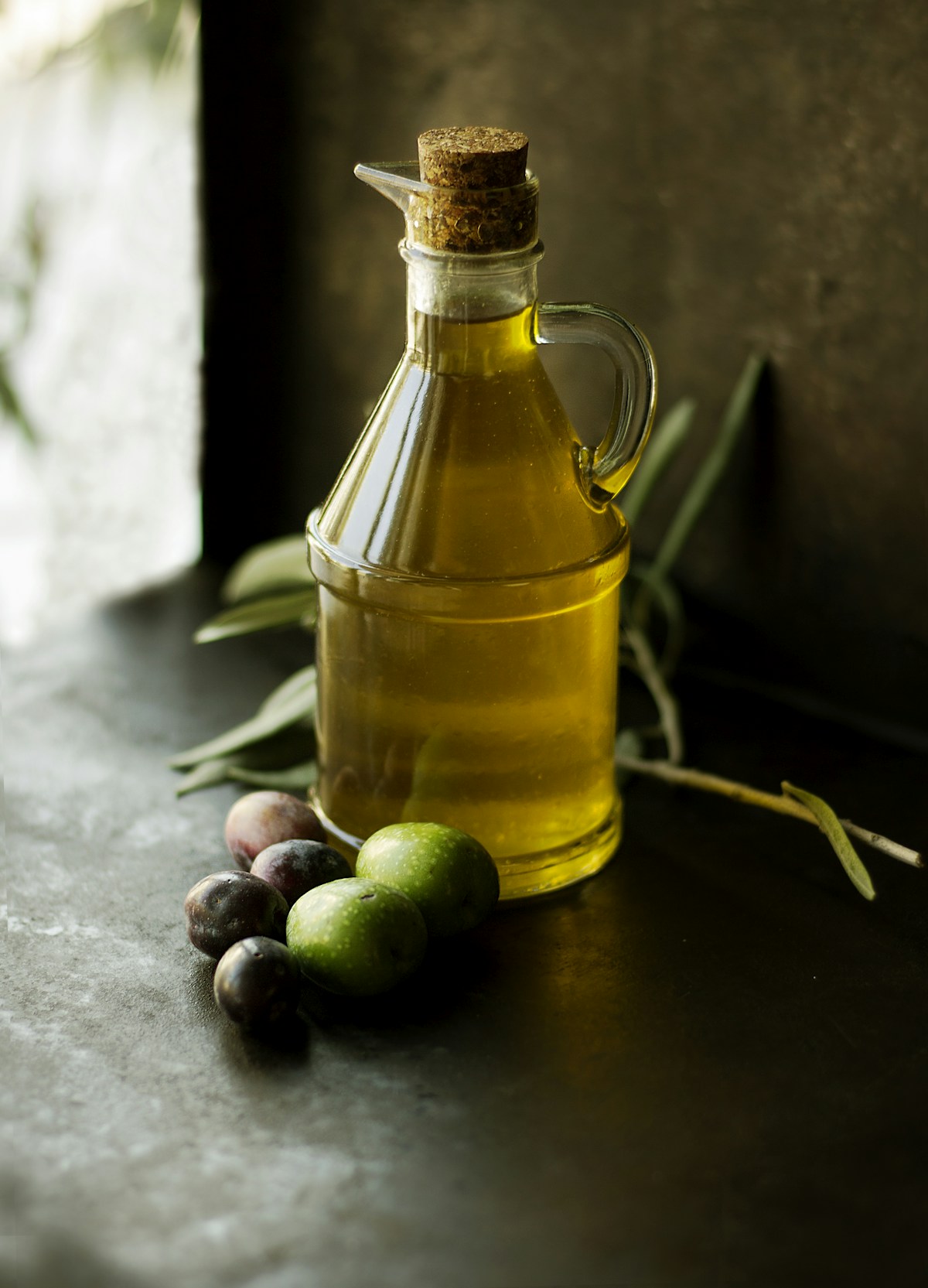
Bar is a city of ancient olive groves — its surroundings are home to the famous Old Olive, a tree more than 2,000 years old. Bar olive oil is obtained by cold-pressing the indigenous žutica variety and other local cultivars, without any chemicals. It has a golden-green color, a slightly bitter, fruity taste, and a characteristic aroma of fresh grass and artichoke. Its low acidity (below 0.5%) places it among top-quality extra virgin oils. It's ideal for dressing salads, grilled fish and fresh bread.

View products — Bar Olive Oil
Homemade Kajmak — Northern Montenegro
10Northern Montenegro

Homemade Kajmak

Kajmak is made by slowly cooling boiled cow's or sheep's milk, during which a thick, fatty cream forms on the surface, which is carefully skimmed off and salted. The best kajmak in Montenegro comes from mountain pastures — Sinjajevina, Bjelasica and Durmitor — where cows and sheep graze on grass rich in aromatic herbs. Young kajmak is mildly salty and creamy, while aged (mature) kajmak has an intense, almost nutty flavor. It's traditionally served with bread, kačamak, roasted meat, and as a filling for gibanica pie.

View products — Homemade Kajmak
Find your favorite

The full range of Montenegrin specialties

Over 500 products directly from verified local producers in Montenegro. No middlemen, guaranteed origin.

Explore all products